About Iğdır
Historical and cultural riches in the easternmost part of Turkey
History of Iğdır
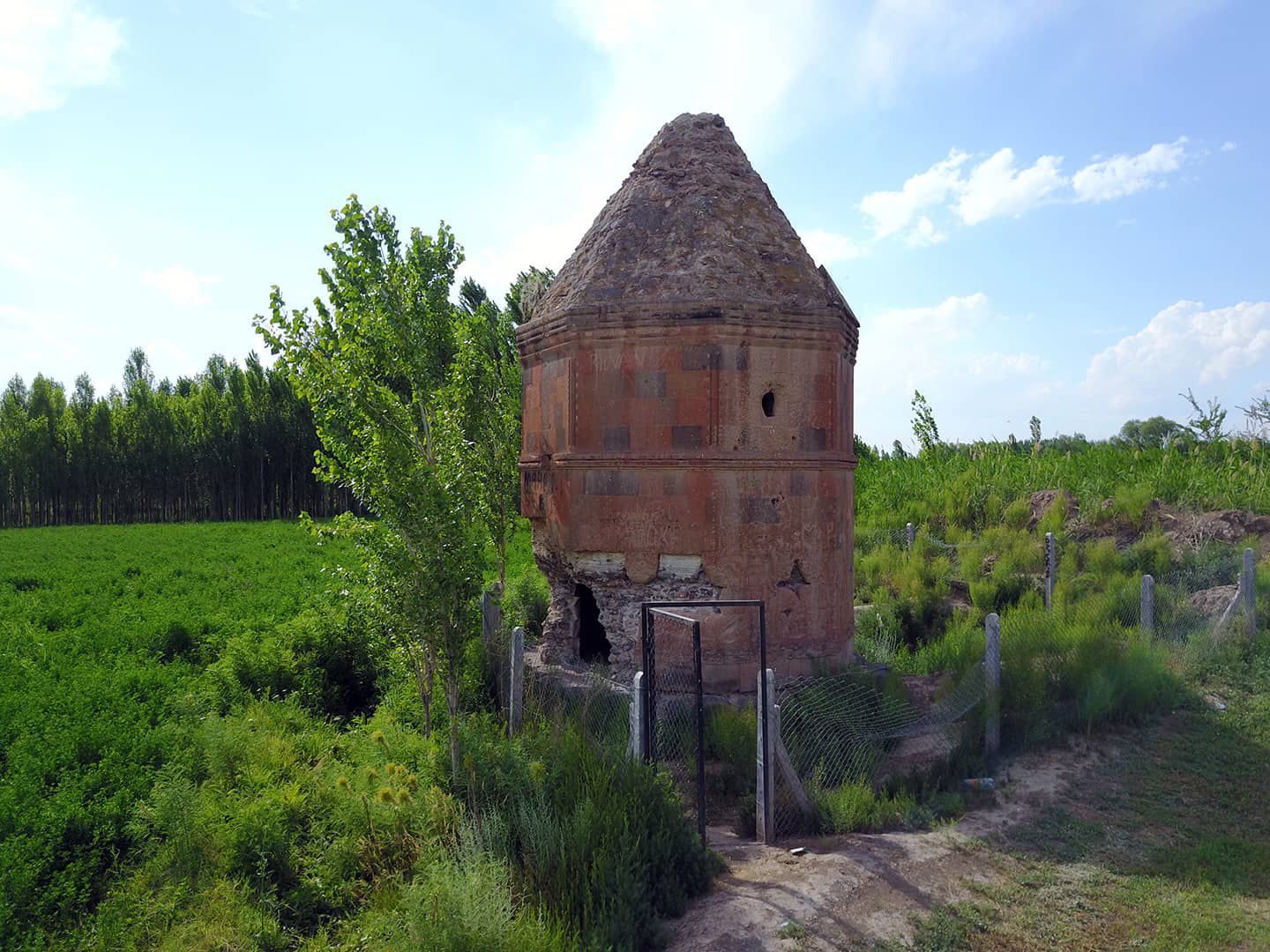
Iğdır is one of the oldest settlement areas in Eastern Anatolia with thousands of years of history. Its historical journey, starting with the Hurrians and Urartians, continued with the Persians, Romans, Byzantines, Seljuks, and Ottomans; it has been an important center for centuries due to its strategic location. Following the changes after World War I, Iğdır joined the Turkish territories with the Treaty of Kars in 1921. It became a province in 1992 and continues its existence today as a special city that combines its rich history with cultural diversity.
Geographical Location
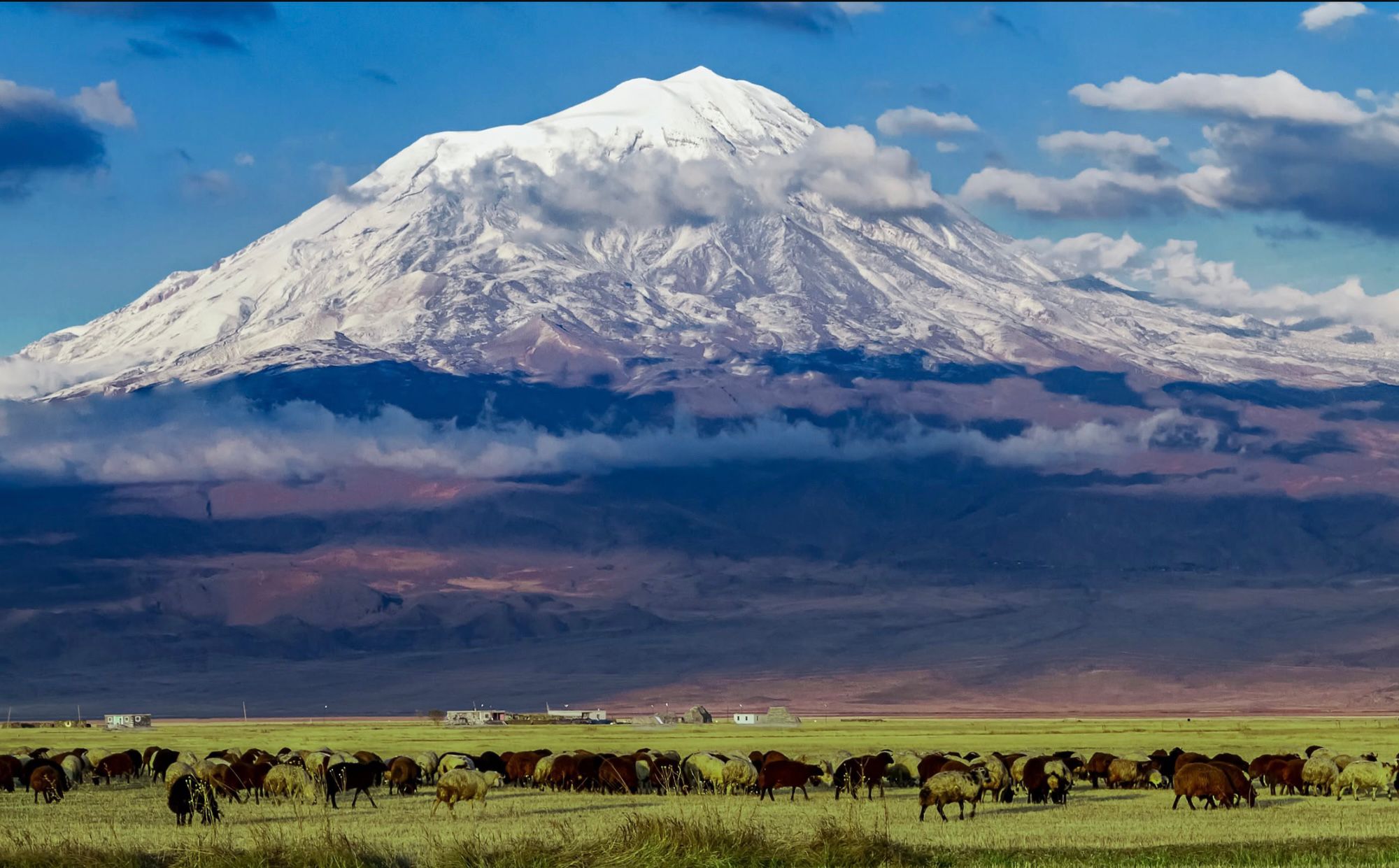
Iğdır is located in the easternmost part of Eastern Anatolia and is one of the rare provinces in Turkey that borders Armenia, Azerbaijan (Nakhchivan), and Iran. It is established on a wide and fertile plain stretching along the Aras River at the foothills of Mount Ararat. Unlike the rest of Eastern Anatolia, Iğdır has a milder climate (microclimate), which makes it highly suitable for agriculture. Border crossings and natural passageways have made the city an important strategic and commercial hub throughout history.
Culture and Traditions
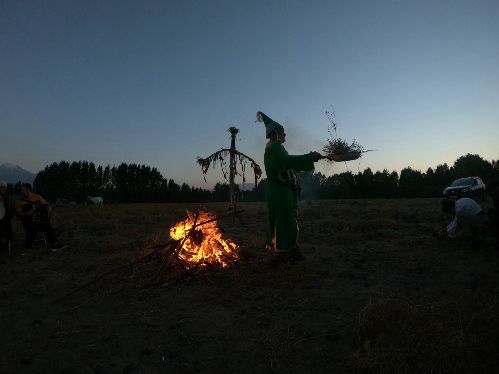
The "Köse Köse Play", which forms the theatrical dimension of Novruz celebrations in Iğdır, is based on the characters "Keçel" (bald) and "Kosa" (beardless), which are considered important archetypes in Turkish folk theater as well as in Iran and Azerbaijan. These characters have become popular among the public with rhymes frequently encountered in the Azerbaijani epic tradition ("Hey bald boy come here / Come and give a greeting / Make my Kosa laugh"). The dramatic structure, subject, special costumes, and masks give the play the quality of a full-fledged theatrical work.
The play symbolizes the harshest period of winter and the longest nights within the framework of a cyclical time concept based on the solar calendar. The themes explored include famine, hardship, and the "death of the old year"; here, death is not a biological end, but a metaphorical meaning for the end of the current year and the completion of the cycle.
The Köse and Kosa characters stand out with their special costumes. The Kosas representing summer wear all the colors of the rainbow but exclude black and white; while the Kosas representing winter wear colors like white and black, symbolizing darkness and long nights. Traditionally, especially young men dressed as women, sang manias (folk poems), and went from door to door asking for "Köse shares" (gifts/food). While this ritual reinforced social entertainment and solidarity, it has been maintained as a beloved and respected tradition among the villagers. Although some practices have modernized today, the Köse Köse Play still preserves its existence as an important part of cultural memory and folkloric heritage.